Archives
- 2026-06
- 2026-05
- 2026-04
- 2026-03
- 2026-02
- 2026-01
- 2025-12
- 2025-11
- 2025-10
- 2025-09
- 2025-03
- 2025-02
- 2025-01
- 2024-12
- 2024-11
- 2024-10
- 2024-09
- 2024-08
- 2024-07
- 2024-06
- 2024-05
- 2024-04
- 2024-03
- 2024-02
- 2024-01
- 2023-12
- 2023-11
- 2023-10
- 2023-09
- 2023-08
- 2023-07
- 2023-06
- 2023-05
- 2023-04
- 2023-03
- 2023-02
- 2023-01
- 2022-12
- 2022-11
- 2022-10
- 2022-09
- 2022-08
- 2022-07
- 2022-06
- 2022-05
- 2022-04
- 2022-03
- 2022-02
- 2022-01
- 2021-12
- 2021-11
- 2021-10
- 2021-09
- 2021-08
- 2021-07
- 2021-06
- 2021-05
- 2021-04
- 2021-03
- 2021-02
- 2021-01
- 2020-12
- 2020-11
- 2020-10
- 2020-09
- 2020-08
- 2020-07
- 2020-06
- 2020-05
- 2020-04
- 2020-03
- 2020-02
- 2020-01
- 2019-12
- 2019-11
- 2019-10
- 2019-09
- 2019-08
- 2019-07
- 2019-06
- 2019-05
- 2019-04
- 2018-07
-
br Exocytosis of GLUT by autophagy br Conclusion br Conflict
2024-04-03
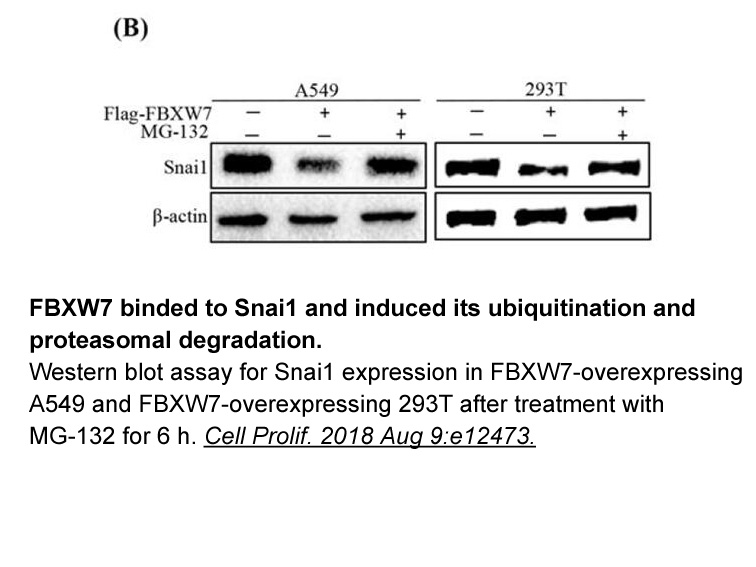
Exocytosis of GLUT4 by autophagy Conclusion Conflict of interest Ethics statement Antigen processing and presentation Adaptive immune response has to be instructed to identify and eliminate specific pathogens or foreign entities defined by their antigenic determinants. Processed antig
-
The phylogenetic relationship demonstrates that
2024-04-03
The phylogenetic relationship demonstrates that both bovine and porcine 12/15-LO is more related to the human enzyme than the rabbit enzyme, despite the fact that the rabbit reticulocyte enzyme is a 15-lipoxygenase. The rabbit is one single species that expresses a 12/15 LO with 15-LO activity while
-
In addition to calpain I activity cathepsin
2024-04-03
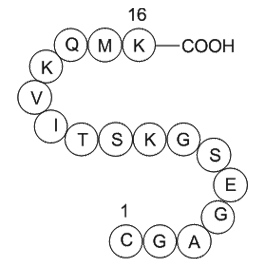
In addition to calpain I activity, cathepsin activities have been proven to be linked to apoptotic signaling. Cathepsin B and cathepsin D are two of the most abundant and well-investigated lysosome acid-dependent proteases that are involved in the apoptotic regulation (Ferri & Kroemer, 2001). Cathep
-
The putative residue apelin proprotein proapelin
2024-04-03
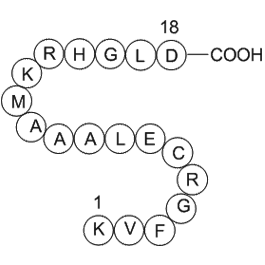
The putative 55-residue apelin proprotein (proapelin or apelin-55) is processed from a 77-residue preproprotein through removal of a 22-residue signal peptide (Table 1). Apelin-55 is further processed into bioactive isoforms of 36, 17, or 13 residues, likely through protease-mediated mechanisms. To
-
br Conclusion br Conflicts of interest br Acknowledgements T
2024-04-03
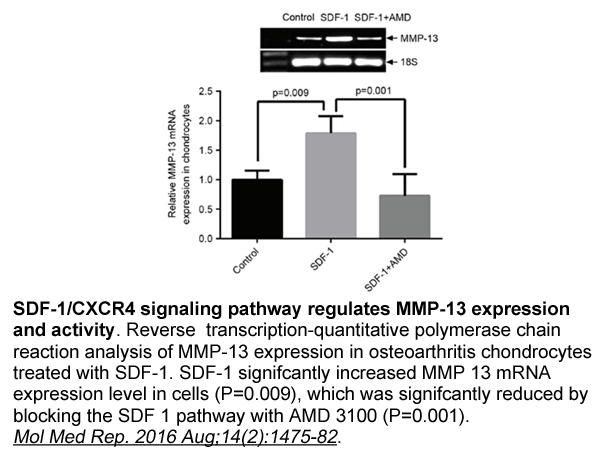
Conclusion Conflicts of interest Acknowledgements The authors are grateful to the Ministry of Food Processing Industries, Govt of India (V45/MFPI/R&D/2000 Vol.IV) and Department of Biotechnology, New Delhi, Govt. of India (BT/475/NE/TBP/20132), American Bamboo Society and Ned Jaquith Founda
-
Formation of SAHFs in human cells is a dynamic and
2024-04-03
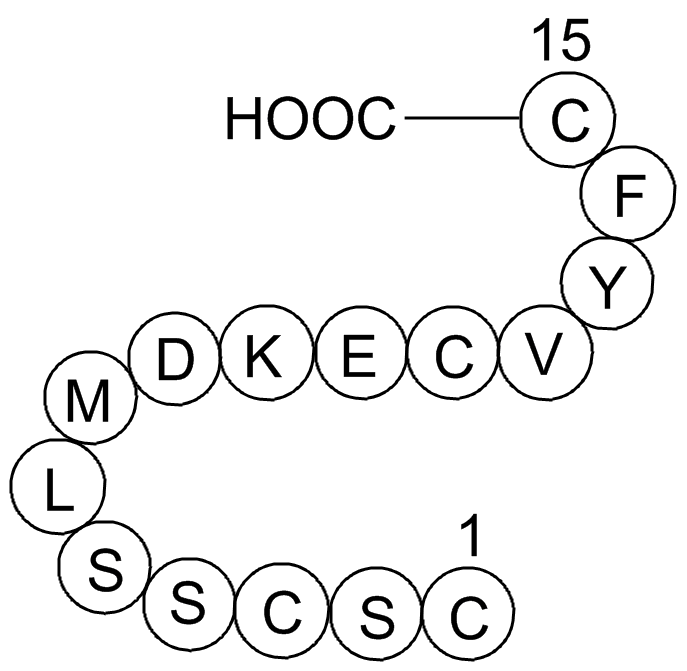
Formation of SAHFs in human Mitochondrial DNA Isolation Kit is a dynamic and multifaceted process that is largely dependent on the p16/pRB ras-induced senescence pathway [108]. Many details remain to be elucidated but formation appears to be driven by a complex of histone chaperones (HIRA and ASF1a
-
br Results and discussion The soil fungus PSU RSPG BCC
2024-04-03
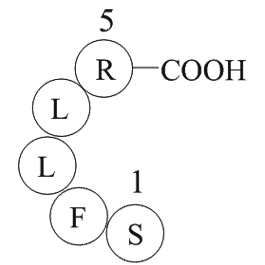
Results and discussion The soil fungus PSU-RSPG37 (BCC56870) was isolated from soil samples collected from Rajjaprabha Dam, Suratthani Province, Thailand. The fungus was deposited at BIOTEC Culture Collection, National Center for Genetic Engineering and Biotechnology (BIOTEC), Thailand Science Pa
-
br Telmisartan Telmisartan is one of the widely used
2024-04-03
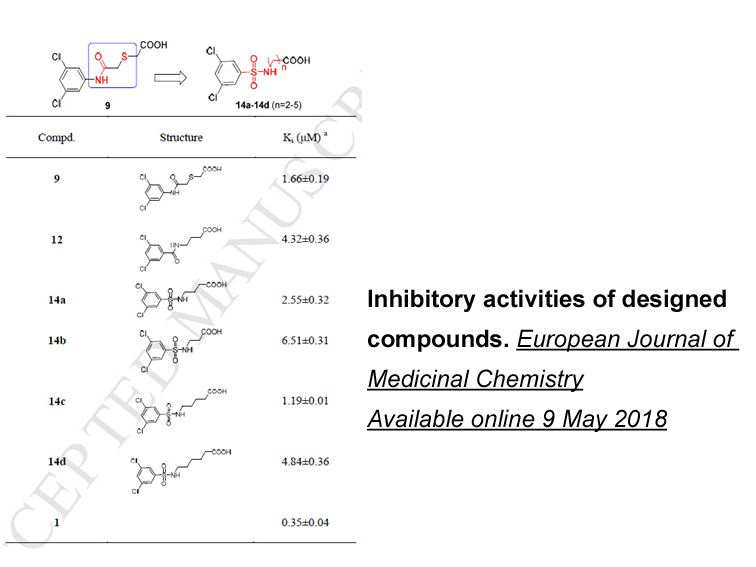
Telmisartan Telmisartan is one of the widely used antihypertensive agents, which has demonstrated favorable safety and tolerability profiles, both alone and in combination therapies. It has a number of pharmacological properties that distinguish it from other ARBs—the longest plasma half-life, hi
-
br Angiotensin receptor neprilysin inhibitors Sacubitril val
2024-04-03
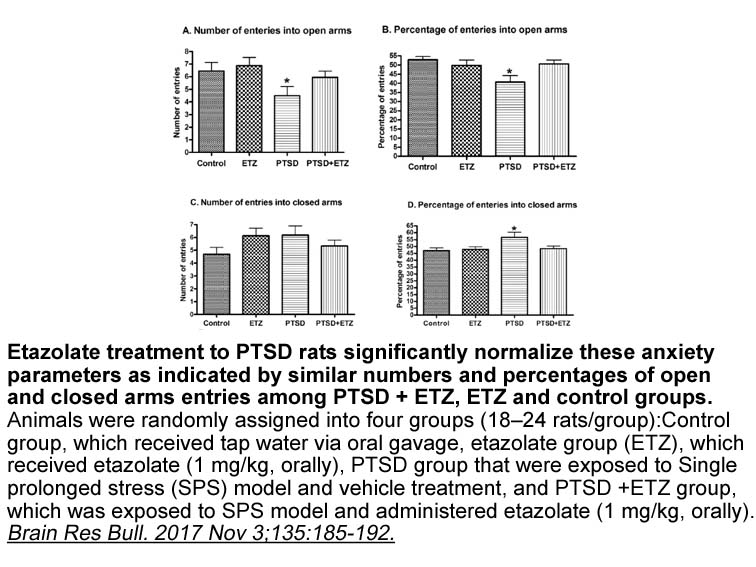
Angiotensin receptor-neprilysin inhibitors Sacubitril/valsartan is the first-in-class ARNI, comprising of molecular moieties of valsartan (ARB) and a neprilysin inhibitor prodrug, sacubitril (AHU377) [51]. Upon ingestion, sacubitril is rapidly metabolised into an active neprilysin inhibitor, sacu
-
salidroside A candidate protein for the regulation of
2024-04-03

A candidate protein for the regulation of AMPAR transport is CaMKII, a Ca2+-dependent kinase with diverse cellular functions. With respect to synaptic transmission, CaMKII is recognized as a key synaptic protein that is required to modify the number of synaptic AMPARs in response to LTP and LTD stim
-
WKY and SHR strains have important differences mainly
2024-04-03
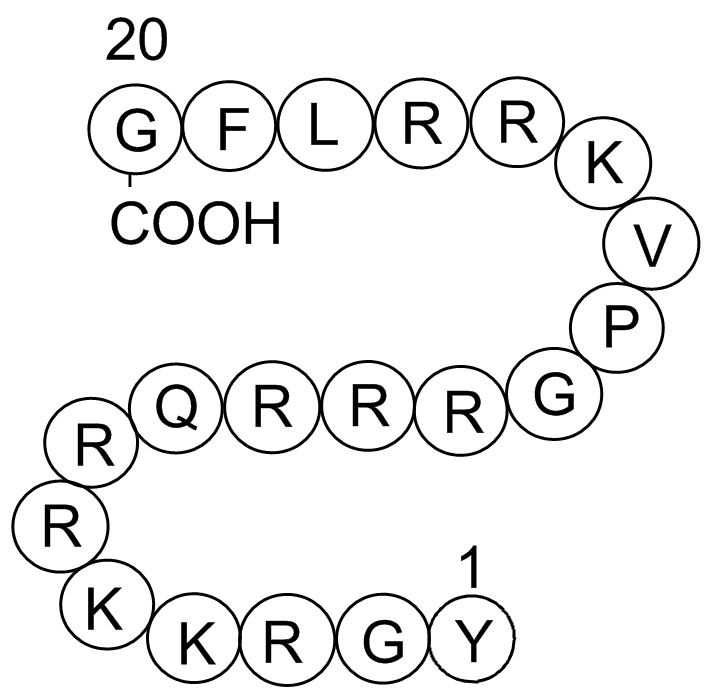
WKY and SHR strains have important differences mainly in their sympathetic status but also in the activity of the RAS. The development of hypertension in SHR is clearly related to an increase in sympathetic activity [51], [11]. In addition, increased renal sympathetic nerve activity led to an increa
-
Notably we have characterized the mechanism of action of
2024-04-02
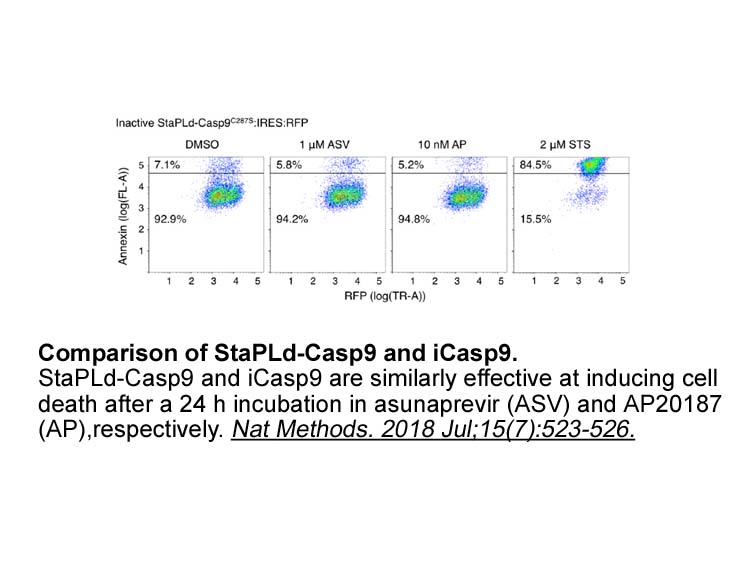
Notably, we have characterized the mechanism of action of ALK in the context of our current understanding of NLRP3 activation [5]. Non-priming macrophages, including BMDMs, exhibit no or minimal activation of NLRP3 in response to ATP. In contrast, LPS priming of macrophages makes them highly suscept
-
Interestingly our transgenic mouse model with macrophages ex
2024-04-02
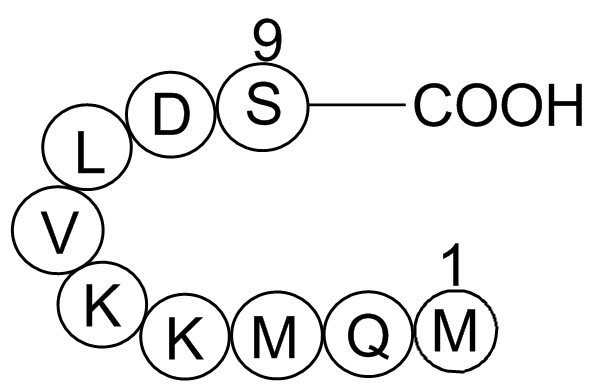
Interestingly, our transgenic mouse model with macrophages expressing AdipoR1 showed not only improved insulin sensitivity and inflammation in skeletal muscle and adipose tissues, but fat mass, macrophage and plasma lipid accumulation and foam cell formation was also favorably reduced resulting from
-
br Introduction Nausea and vomiting are among
2024-04-02
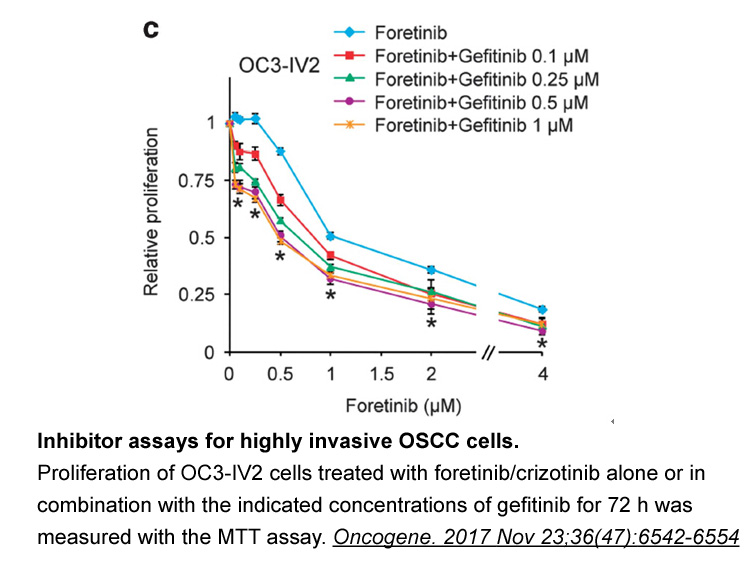
Introduction Nausea and vomiting are among the most distressing side effects associated with chemotherapy in cancer patients (Billio et al., 2010). Severe emesis can negatively affect a patient's nutritional state, ability to work and motivation, which can, in turn, interfere with the clinical co
-
In model plant Arabidopsis there are myosin
2024-04-02
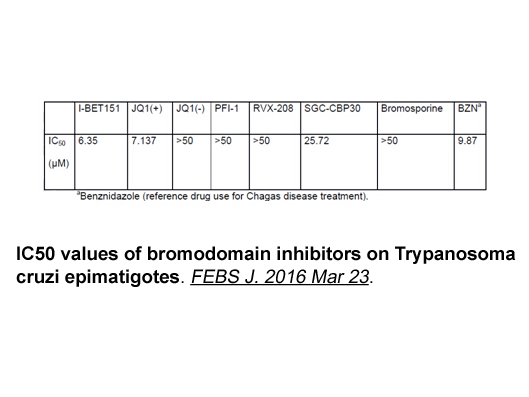
In model plant Arabidopsis, there are 13 myosin XI isoforms (XI-1, XI-2, XI-A, XI-B, XI-C, XI-D, XI-E, XI-F, XI-G, XI-H, XI-I, XI-J, and XI-K) and 4 myosin VIII isoforms (ATM1, ATM2, VIII-A, VIII-B) [9,13]. Arabidopsis myosin XIs have the common domain composition: a motor domain that interacts with
16530 records 196/1102 page Previous Next First page 上5页 196197198199200 下5页 Last page